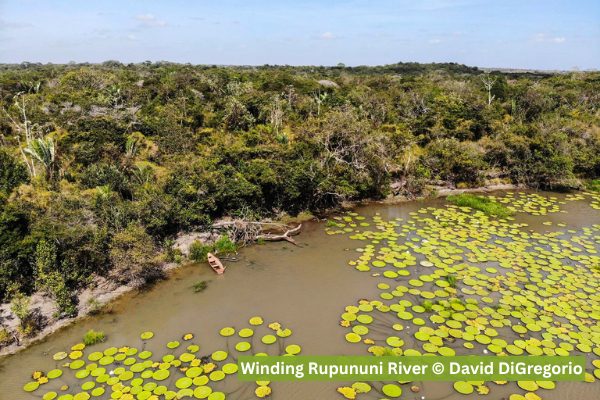
In Guyana, some of the most rewarding journeys begin where the road ends. Across the country, rivers serve as vital transportation routes, connecting communities, supporting livelihoods, and providing access to places that would otherwise remain out of reach.
Rivers as Vital Transportation Routes
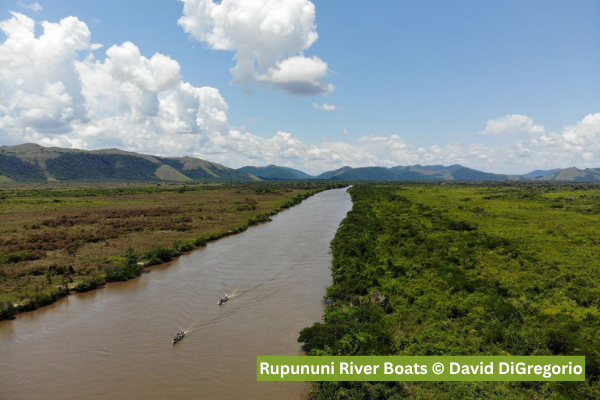
For generations, rivers have been one of Guyana's main transportation routes, especially before modern roads and airstrips expanded access across the country. Today, they continue to play an essential role in daily life. From the bustling stelling at Parika to remote hinterland communities, boats, ferries, and water taxis transport people, goods, and supplies across a vast network of waterways.
Experiencing Guyana by River
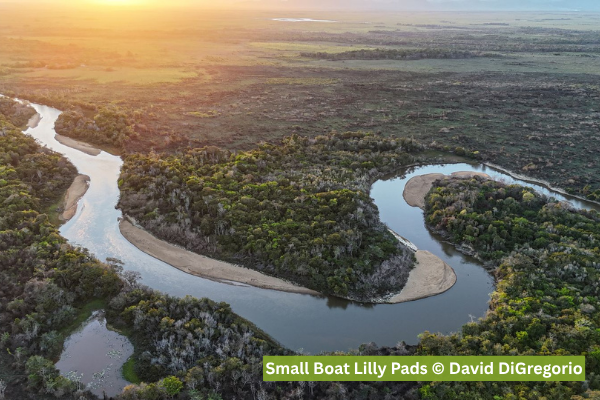
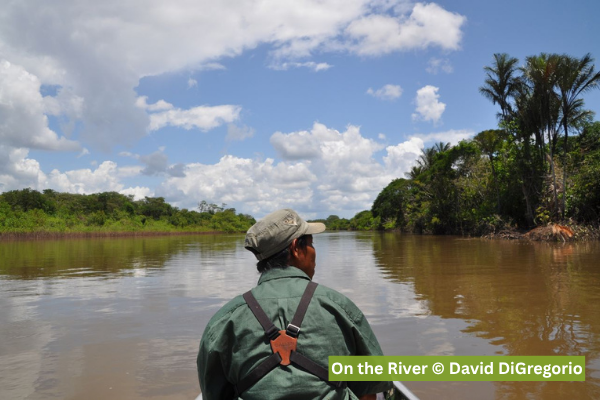
For visitors, travelling by river offers a unique way to experience the country. The journey reveals a side of Guyana that cannot be seen from the road, with forested riverbanks, island communities, fishing experiences, and wildlife-rich ecosystems unfolding along the way.
The Essequibo River and Tourism Gateway
The Essequibo River, the largest river in Guyana, is one of the country's most important transportation corridors and tourism gateways. A boat ride along its waters can lead travellers to destinations such as Aruwai White H2O Resort and Baganara Island Resort, each offering a distinct experience shaped by its riverside setting. Reaching these properties is part of the adventure, as visitors travel through the river's channels, islands, and tributaries before arriving at their destination.
Connecting Communities and Nature-Based Experiences
Further inland, rivers continue to connect travelers with community-led and nature-based tourism experiences. Many Indigenous villages and ecotourism destinations rely on waterways as their primary access routes, making river travel an essential part of the visitor experience. Whether exploring the Rupununi, traveling along the Berbice River, or venturing deeper into the interior, waterways often provide the first glimpse into local life and culture.
Rivers as Community Lifelines
Beyond tourism, Guyana's rivers remain lifelines for countless communities. Farmers transport produce to market by boat, schoolchildren cross rivers to attend classes, and supplies move between regions using waterways that have supported generations of Guyanese. The rivers are not simply routes for transportation; they are woven into the country's social and economic fabric.
A Different Perspective on Travel
For those seeking a deeper connection with Guyana, traveling by river offers more than a means of getting from one place to another. It provides an opportunity to experience the country's landscapes, communities, and traditions from a different perspective.
More than the Route
In Guyana, the river is often more than the route. It is an essential part of the journey itself.
For more information, follow us @DiscoverGuyana on Facebook, Instagram, X and TikTok, or visit our website at www.guyanatourism.com.