Peru Culture Bulletin


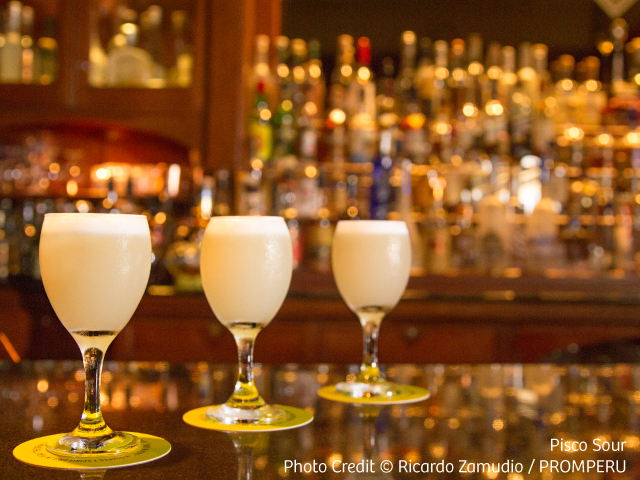
Peru has no shortage of historic icons, and our Pisco Sour is certainly one to remember. There are many origin stories around our national drink, but regardless of how it came to be, the Pisco sour is here to stay in Peru, where it is toasted the first Saturday of every February during Pisco Sour Day, a national holiday.
 

Legends around Pisco Sour’s origin
 

The most popular story involves an expat American, Victor V. Morris who moved from Utah to the remote city of Cerro de Pasco where a railroad was being built. Morris found work with the railroad, and discovered the local liquor, pisco. When the railroad was completed in July of 1904, the company tasked Morris to oversee the celebration and during the ceremony he served whisky sours until he ran out of whisky and substituted it with pisco.


With the railroad complete, Morris descended from the Andes, and opened a bar in Lima, Morris’ Bar. The pisco sour was the bar’s signature drink, and quickly became the talk of the town. It wasn’t long before Morris’ bartenders began opening or working at other establishments, where they offered their version of the pisco sour. One of these Morris’ Bar alumni was Mario Bruiget, who brought the drink to the Grand Hotel Maury. It was Bruiget who first added egg white to the pisco sour (what is now recognized as an essential ingredient), and thus it is he who is credited with creating the modern pisco sour.
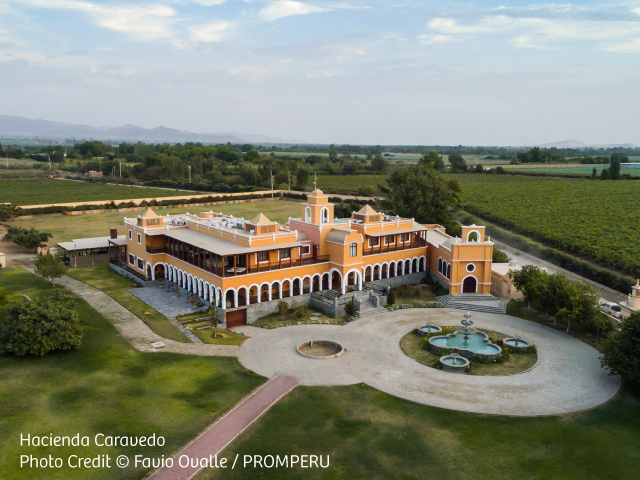
The Hacienda Caravedo
 

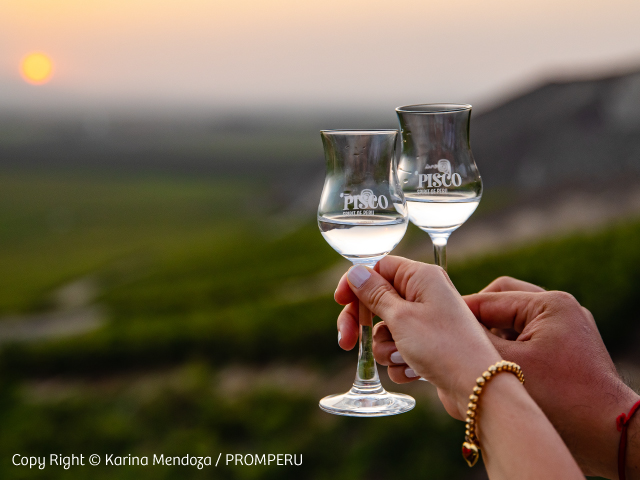
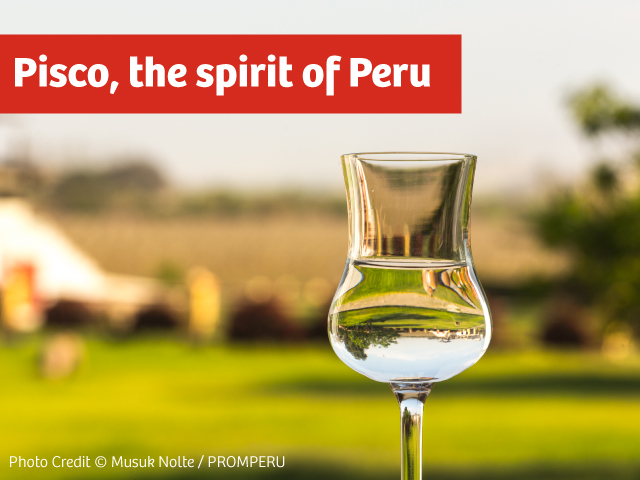
Located in the Ica Valley it is considered the oldest and continuously operating distillery in the Americas that makes pisco. Pisco is a clear spirit made by distilling fermented grape juice (wine) and has been referred as “The Fifth White Spirit” (after vodka, gin, rum and tequila)


Today Hacienda La Caravedo is known as an estate producer of premium pisco, which they refer to as “the soul and essence of wine.” The estate consists of three main areas: the Hacienda—a small, boutique hotel and restaurant; the distillery—Destileria La Caravedo; and approximately 100 hectares of wine producing vineyards.


Make sure to include a visit to the Hacienda on your traveler’s itinerary.

 
Please click HERE and take a moment to update the information we have on you in our contact management system. You have received this newsletter because you have indicated that you specialize in Culture travel.