The Atlantic North: Porto and the North of Portugal Shaped by the Sea
Dear Karen,
Porto and the North of Portugal are deeply connected to the Atlantic. The ocean has shaped the region’s food, culture, architecture, maritime traditions, outdoor experiences, and everyday way of life for generations.
From Porto’s riverfront and Foz do Douro to the beaches and fishing traditions of Matosinhos, Vila do Conde, and Espinho, the Atlantic North offers travelers an easy way to experience a different side of northern Portugal—one defined by seafood, historic waterfront communities, long beaches, surf culture, coastal walks, and a relaxed rhythm of life.
For travel advisors and partners, the Atlantic North provides a clear framework for extending a Porto stay. Travelers can combine city experiences with beaches, maritime heritage, local gastronomy, outdoor activities, and smaller coastal communities, often without traveling far.
Porto Is the Gateway to the Atlantic North
Porto is the natural starting point for exploring northern Portugal’s Atlantic coast.
Its historic center, markets, restaurants, museums, architecture, and waterfront make it an appealing city break on their own, but Porto’s relationship with the water extends well beyond the center.
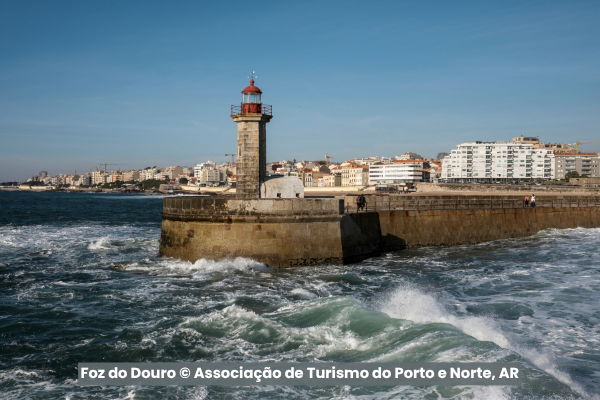
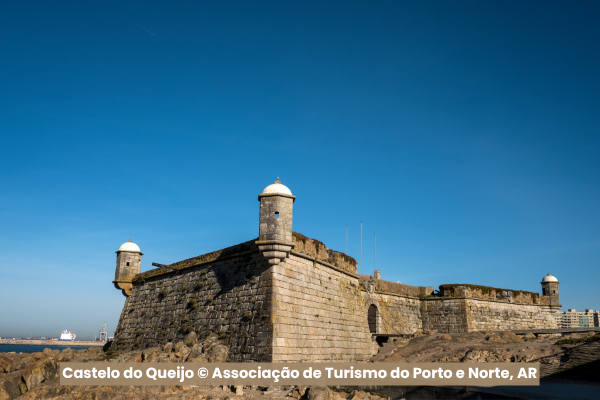
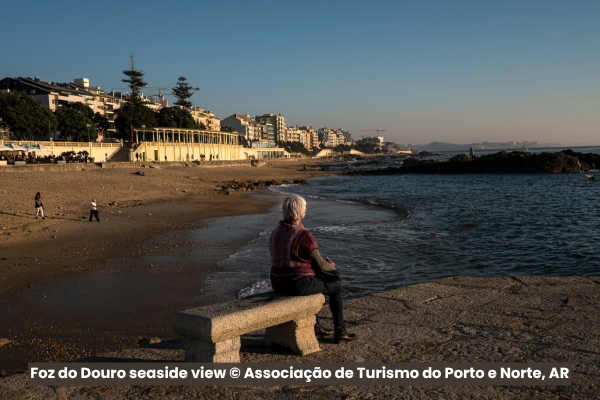
Travel west toward Foz do Douro and the city gradually opens onto the Atlantic. Elegant waterfront streets, beaches, cafés, gardens, and promenades create an entirely different atmosphere from the historic center.
This proximity makes it easy for travelers to experience both urban Porto and the coast during the same stay. A morning of sightseeing can be followed by an afternoon beside the ocean, a seafood dinner, or a walk along the waterfront at sunset.
For partners, this makes Porto especially easy to position as both a city destination and the gateway to a longer Atlantic North itinerary.
Matosinhos Brings the Atlantic to the Table
Just north of Porto, Matosinhos is one of the region’s strongest destinations for travelers interested in food, beaches, and maritime culture.
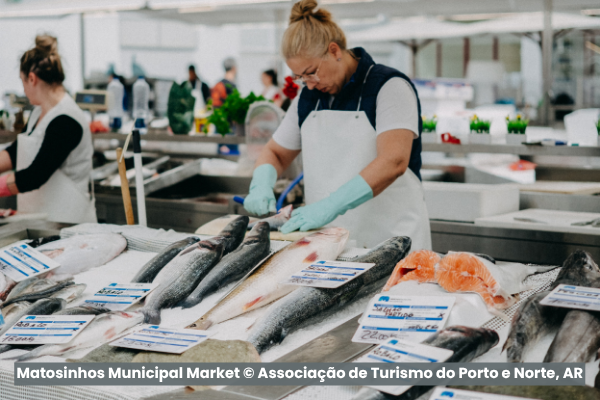
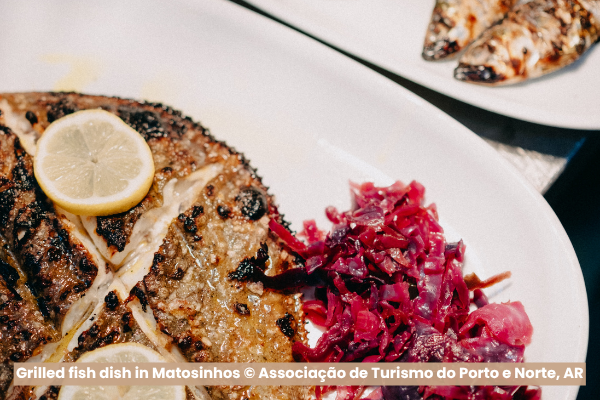
The city is particularly known for its seafood traditions. Grilled fish, shellfish, local markets, and restaurants connected to the area’s fishing heritage make food one of the most memorable ways to experience Matosinhos.
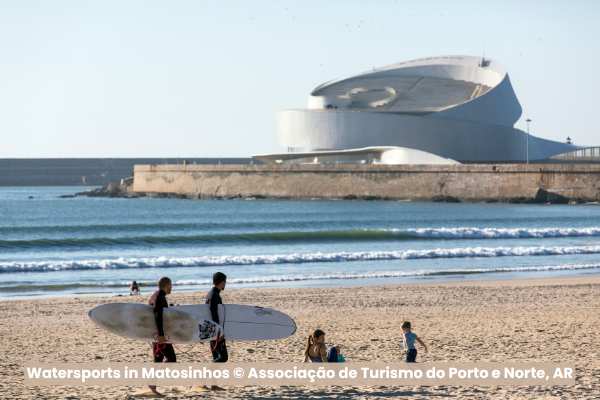
Its broad beaches also make it a convenient destination for swimming, surfing, walking, and simply spending time beside the Atlantic.
Matosinhos works particularly well as a day trip or short extension from Porto. Its accessibility means travelers can experience a genuine coastal destination without complicated logistics, while its combination of gastronomy, beach culture, architecture, and local life gives it enough depth to justify more than a quick visit.
Vila do Conde Combines Maritime Heritage and Coastal Life
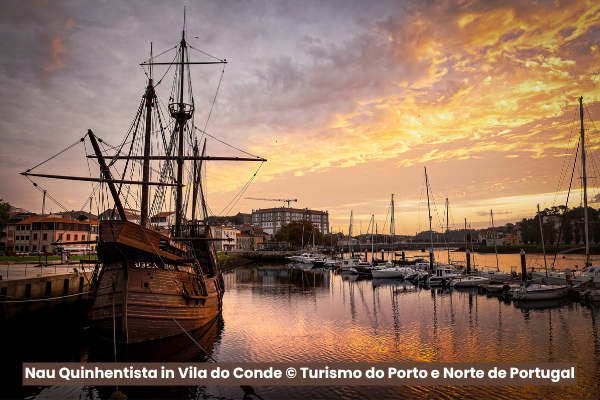
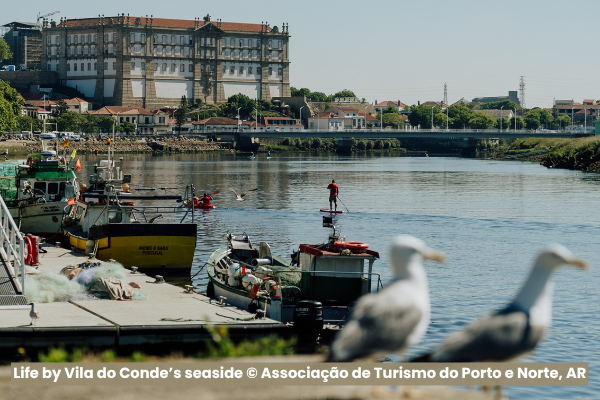
Further north, Vila do Conde offers a quieter coastal experience rooted in centuries of maritime history.
Its location beside both the Atlantic and the Ave River has shaped the town’s identity, from fishing and shipbuilding traditions to architecture and local culture.
Visitors can explore the historic center, waterfront, beaches, and cultural attractions while experiencing a destination that retains a strong local character.
Vila do Conde is particularly appealing to travelers interested in combining history and culture with time outdoors. It can be easily paired with Porto and Matosinhos or included as part of a longer journey north along the coast.
Espinho Offers an Easy Seaside Escape
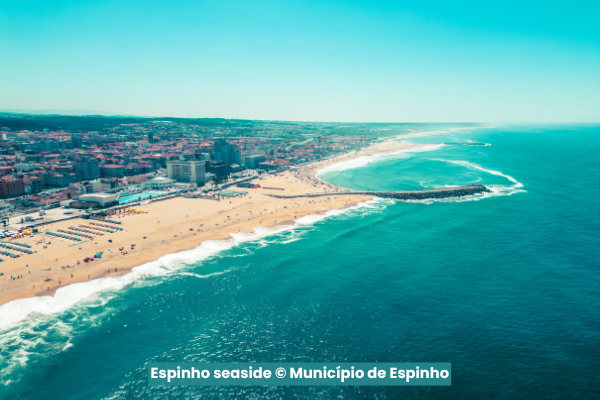
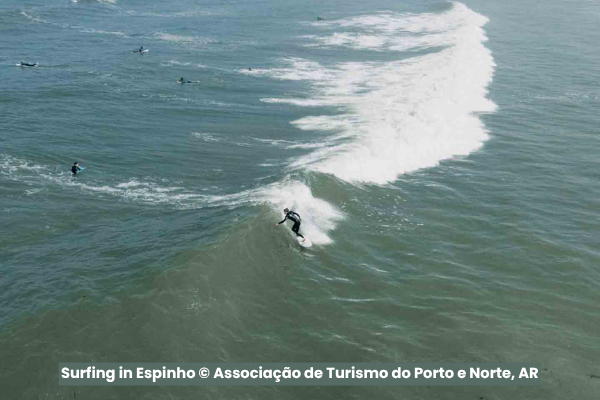
South of Porto, Espinho provides another distinct perspective on Atlantic life.
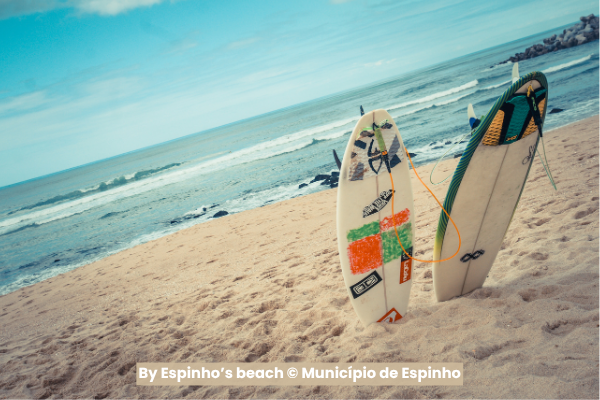
Known for its expansive sandy beach, surf culture, seafood, and lively seaside atmosphere, Espinho is one of the most straightforward coastal escapes from Porto.
Travelers can spend the day walking along the ocean, watching surfers, enjoying fresh seafood, exploring the town, or simply slowing down beside the beach.
Its accessibility makes Espinho especially useful for travelers who want to add a seaside experience to a Porto itinerary without committing to a long journey.
For families, couples, and active travelers alike, it offers an easy combination of beach time, outdoor activity, and local Portuguese coastal life.
Continue North Along the Coast
Beyond Porto, Matosinhos, Vila do Conde, and Espinho, the coastline continues through a collection of destinations that each offer their own interpretation of life beside the Atlantic.
Póvoa de Varzim combines beaches, fishing traditions, and a lively local atmosphere.
Esposende is particularly appealing for travelers interested in nature and outdoor recreation, with coastal and river landscapes well suited to walking, cycling, water activities, and slower exploration.
Further north, Viana do Castelo pairs Atlantic scenery with architecture, cultural heritage, and a strong maritime identity.
Caminha offer an even quieter experience near Portugal’s northern edge, where broad beaches, coastal landscapes, and the meeting of river and ocean create a particularly scenic setting.
Together, these destinations give travelers the flexibility to build a coastal itinerary around their interests, whether those are food, culture, beaches, outdoor activities, or small-town exploration.
Seafood Is Central to the Atlantic North
Food is one of the clearest ways to understand the region’s relationship with the ocean.
Across Porto and the northern coastline, travelers encounter fresh fish, shellfish, seafood restaurants, local markets, and culinary traditions closely tied to fishing communities.
Matosinhos is especially well known for its concentration of seafood restaurants and grilled fish, while coastal towns including Vila do Conde, Espinho, Póvoa de Varzim, Esposende, Viana do Castelo, Caminha, each offer their own local specialties and dining traditions.
For travelers, eating along the Atlantic is not simply about having a seafood meal. It provides a direct connection to the history and everyday culture of these communities.
For travel advisors, gastronomy also makes the coastal route easy to build into an itinerary, creating natural opportunities for market visits, restaurant experiences, food-focused excursions, and leisurely meals overlooking the water.
Soft Adventure Adds Another Dimension
The Atlantic North also lends itself naturally to active travel without requiring a demanding adventure itinerary.
Surfing, swimming, coastal walks, cycling, kayaking, beach time, waterfront promenades, and scenic viewpoints can all be incorporated into a journey.
These experiences are easy to adapt to different traveler profiles. Families can combine sightseeing with beach time, couples can add scenic walks and waterfront dining, and active travelers can build days around surfing, cycling, or coastal exploration.
An Easy Extension to a Porto Stay
One of the Atlantic North’s greatest strengths is how easily it can expand a traditional Porto city break.
A traveler might spend several days exploring Porto before adding Matosinhos for seafood and the beach, Vila do Conde for maritime culture, or Espinho for a relaxed seaside day.
Those with more time can continue farther north through Póvoa de Varzim, Esposende, and Viana do Castelo, eventually reaching Caminha.
The distances are manageable, yet each destination offers a different atmosphere. This allows travelers to experience several sides of northern Portugal without creating an overly complicated itinerary.
A Different Way to Experience Porto and the North
The Atlantic North offers travelers more than a traditional beach holiday.
It is a journey through working coastal communities, historic towns, fishing traditions, contemporary food culture, long stretches of sand, outdoor experiences, and landscapes shaped by the ocean.
Porto provides the natural gateway, while Matosinhos, Vila do Conde, and Espinho each add a distinctive coastal experience within easy reach of the city.
Continue north through Póvoa de Varzim, Esposende, Viana do Castelo, Caminha, and Moledo, and the Atlantic becomes a thread connecting some of the region’s most appealing landscapes and communities.
For travelers looking beyond the familiar Porto city break, the coast provides a natural next chapter—and a compelling reason to spend more time in the North of Portugal.