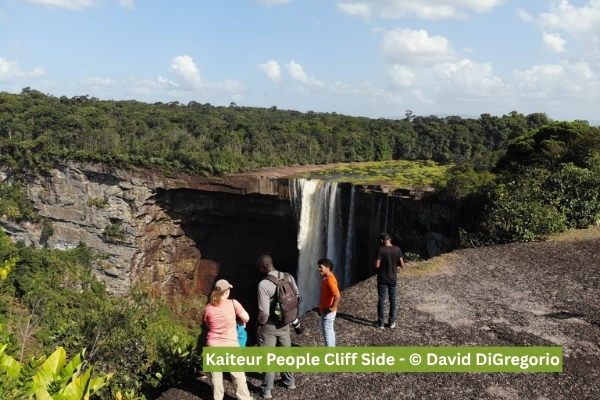
As Guyana marks its Diamond Jubilee, the milestone offers an opportunity to reflect on how independence continues to shape the country’s identity, and how that identity is experienced through its people, places, and everyday life.
Waterways and Coastal Exploration
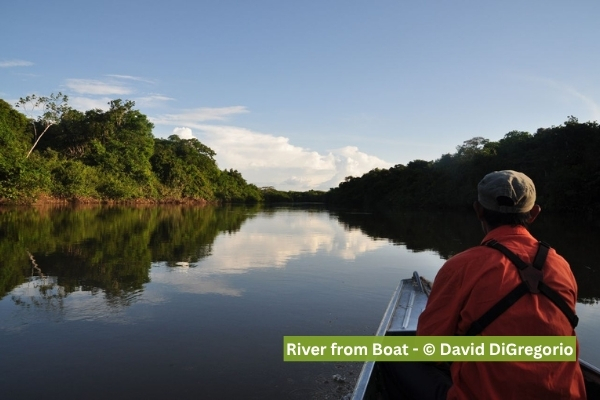
Across the coastland, rivers, and hinterland, communities reflect a shared national story shaped by culture and geography. Coastal towns and villages remain active centers of daily life, while river routes continue to connect communities across regions. In the hinterland, Indigenous communities maintain traditions, knowledge systems, and ways of life closely tied to the natural environment.
Over the past five years, tourism has become one of the ways these places are increasingly experienced and understood, with the growth of curated, small-group, and community-led tours across the country
Along the coast and river systems, kayaking experiences with Elite Kayaking and Nature Tours have introduced visitors to a slower, water-level view of Guyana’s landscapes, particularly along creeks and river corridors where nature and community life intersect.
In the interior, guided experiences, such as the Sakaika Falls tour with Blackwater Adventures, have opened access to lesser-known waterfalls and forest trails, combining adventure travel with local guiding knowledge and environmental interpretation
Culinary Tourism and Local Flavors
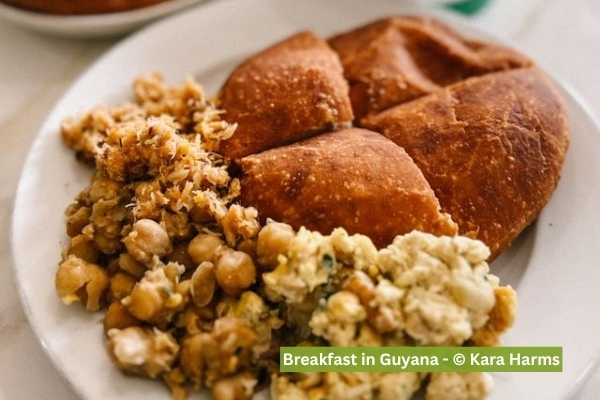
Culinary tourism has also grown as part of the visitor experience. Operators such as Wanderlust Adventures GY and Eco Destination Tours GY now offer food-focused experiences that connect visitors to local cuisine, markets, and home-style cooking, highlighting Guyana’s diverse food culture beyond restaurants and urban settings.
Eco-Bicycle Tours and Community Travel
On land, Ride Along GY eco-bicycle tours have added another layer to experiential travel, offering guided cycling routes through community roads, heritage areas, and natural landscapes, particularly along the coast and in selected interior-edge locations.
Community Tourism in the Rupununi
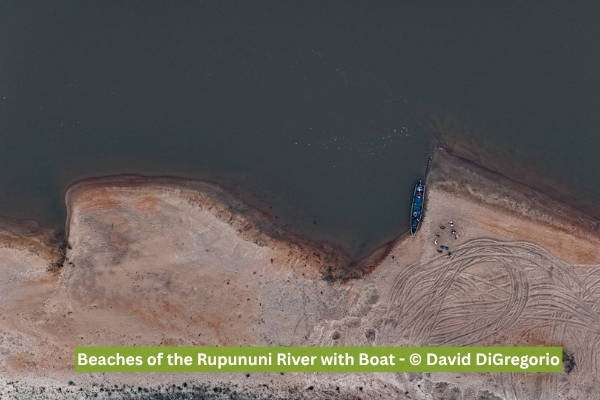
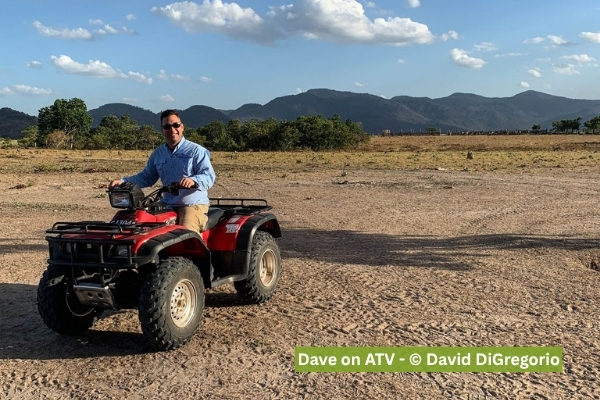
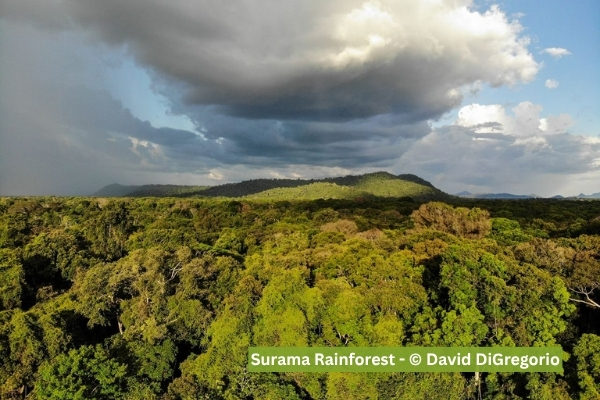
Beyond these specific experiences, destinations such as the Rupununi Savannahs continue to support nature-based and community tourism, with wildlife viewing, village stays, and guided cultural interactions in places like Surama, Rewa, and Shulinab.
Tourism Growth and Infrastructure Development
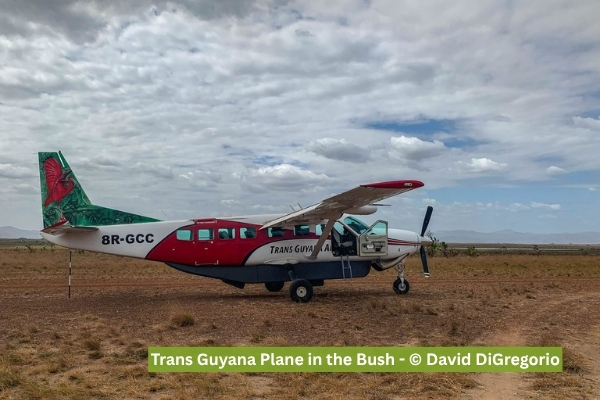
These developments have been supported by broader infrastructure improvements since 2020, including road upgrades, expanded air services, and increased accommodation options ranging from eco-lodges to boutique hotels and community guesthouses. These changes have made more parts of the country accessible while supporting the growth of the tourism sector.
Alongside tourism, Guyana’s broader development over this period has been influenced by growth in the oil and gas sector, which has contributed to increased investment across construction, services, agriculture, and hospitality. This has helped stimulate wider economic activity, including within tourism-related businesses.
A Nation Continuing to Evolve
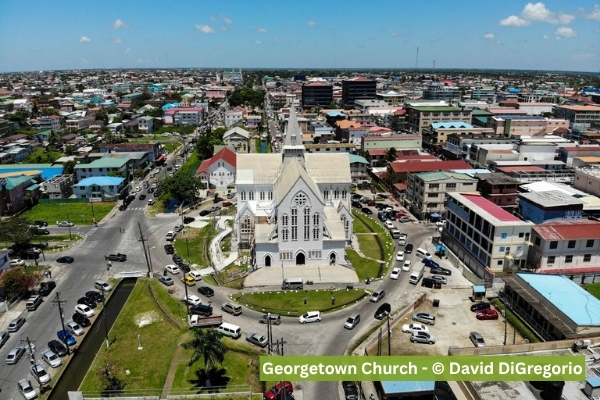
At 60, Guyana continues to evolve through the interaction of place, people, and opportunity. From coastland heritage spaces to river journeys and hinterland adventures, the country’s identity is increasingly reflected in how it is experienced—by those who live here and those who visit.
Join us, let’s #DiscoverGuyana.
For more information, follow us @DiscoverGuyana on Facebook, Instagram, X and TikTok, or visit our website at www.guyanatourism.com.